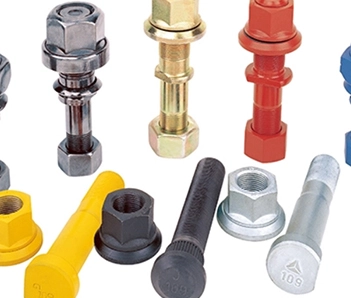
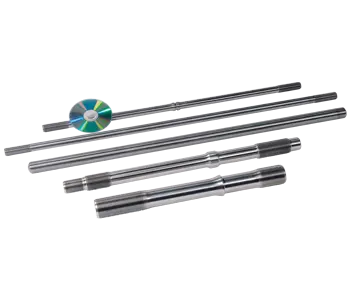
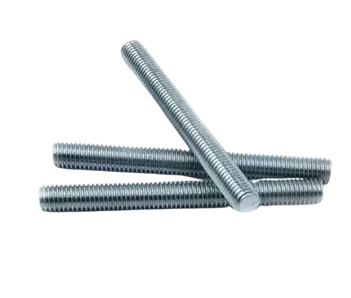
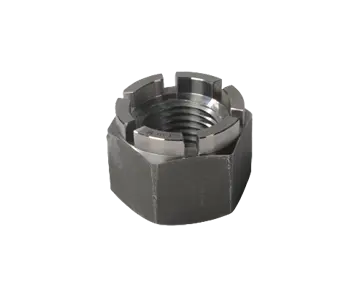
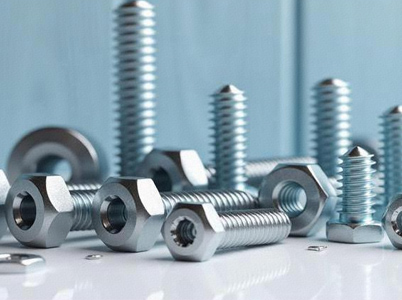
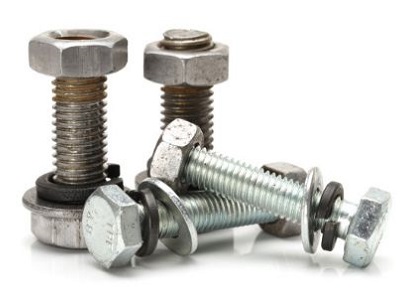
Industrial manufacturing is facing increasingly complex challenges, and bolt connections have become the go-to choice for manufacturers due to their ease of use.
Bolt is easy to operate by simply pairing the bolt with threaded counterparts (such as nuts or threaded holes). The process requires only a simple torque wrench to complete the connection. Compared to other methods like adhesives, rivets, or welding, bolt connections are more intuitive and do not rely on the operator's subjective judgment, reducing the likelihood of errors.
Greater Flexibility
Unlike permanent components, bolt can be easily disassembled and reused with the same tools. This flexibility makes maintenance, simple inspections, or part replacements more convenient. At the end of a product's lifecycle, bolt connections also allow for the easy separation, sorting, and recycling of parts made from different materials, extending the overall sustainability of the product.
Wide Range of Bolt Sizes and Materials
The versatility of bolt is one of the key reasons for their popularity. Manufacturers can select bolt in different sizes and materials based on the specific requirements of the application, with steel being the most commonly used material. Steel bolt provides excellent mechanical properties, ensuring that the connection strength far exceeds the mechanical requirements of the assembly.
Bolt Can Join Different Materials
What makes bolt unique is their ability to connect components made from materials different from their own, such as plastics and composite materials. This feature eliminates the need for special arrangements or designs, making it easier to connect components made of various materials.
Bolt Can Fasten Thick Components
In industrial manufacturing, the thickness of parts often varies based on the manufacturer's needs. One of the advantages of bolt connections is their adaptability. Even with large tolerances in thickness and hole sizes, they can maintain a reliable connection. This also aligns with cost-effective conventional manufacturing processes, providing convenience for production.
Wide Temperature Range of Bolt
Bolt made from different materials can withstand a wide range of working temperatures. Normalized steel bolt can endure temperatures ranging from -50°C to 200°C, while stainless steel bolt can operate within a much broader range of -160°C to 500°C. This temperature adaptability allows bolt connections to maintain excellent performance levels even in high-temperature or acidic environments.
Due to these advantages, bolt connections are widely used in the industrial sector as a practical, cost-effective solution. In manufacturing complex products, bolt connections provide reliable fastening for different components, making them an indispensable part of modern industry.



 中文
中文 English
 日本語
日本語 한국어
한국어 français
 Deutsch
 Español
 italiano
 русский
 português
 العربية
 Türkçe
 ไทย
ไทย