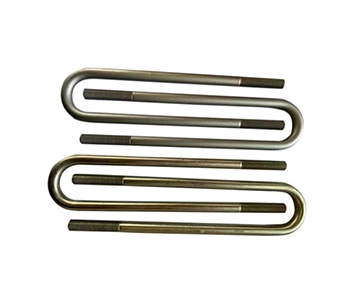
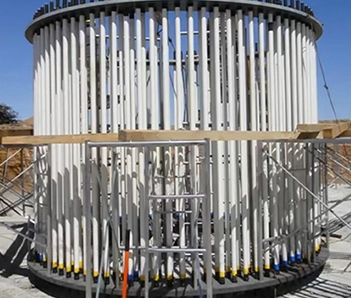
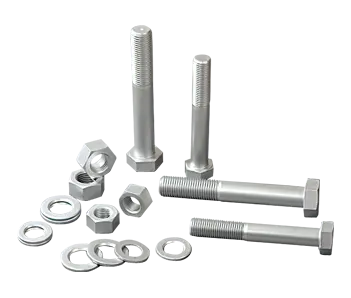
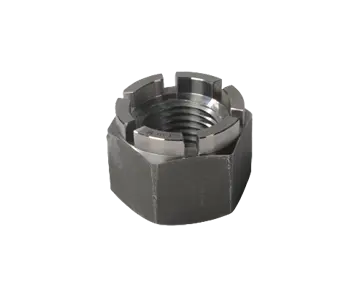
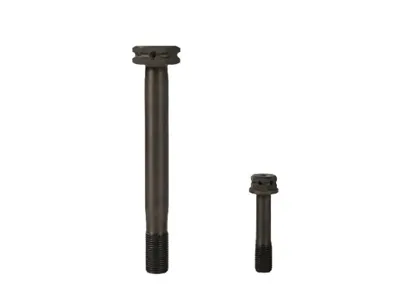
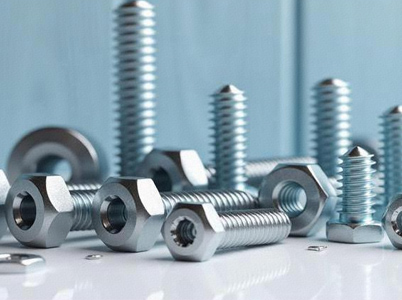
In the vast and complex structure of a wind turbine, the high strength bolt is an indispensable component, responsible for securing key parts together. Its quality and performance have a direct impact on the turbine's load-bearing capacity, service life, safety, and overall operational reliability.
Unique Characteristics of the High Strength Bolt
Wind turbine fasteners exhibit several technical characteristics, among which high strength and precision are the most notable. Given the harsh service conditions, the high strength bolt must withstand years of exposure to extreme temperatures, ranging from scorching heat to freezing cold, while also resisting temperature fluctuations. Moreover, the bolt is subject to high operational loads, with wind turbines reaching power outputs as high as 15 megawatts. This means it must perform reliably under severe conditions including variable speeds, vibration, corrosion, and heavy loading.
During operation, the bolt is subjected not only to axial preload tensile forces, but also to additional alternating tensile loads, transverse shear loads, and sometimes even impact loads. Transverse alternating loads can lead to bolt loosening, while axial alternating loads may result in fatigue fractures. In corrosive environments, sustained axial tension can cause delayed fracture, and under high temperatures, creep deformation may also occur.
Failure Modes and Causes of the High Strength Bolt
In recent years, as the number of installed wind turbines has increased, several tower collapse incidents have been reported. Upon investigation, a common cause has emerged: the fracture of the high strength bolt used in the turbine structure.
The main failure modes include fatigue fracture, brittle fracture, and deformation-induced disengagement. Among them, fatigue fracture is the most prevalent. It typically occurs due to the development of micro-cracks under repeated bending and tensile stress cycles. Factors such as stress concentration, alternating stress, and insufficient preload are major contributors, along with material properties, manufacturing processes, and design choices.
Brittle fracture, on the other hand, is often linked to corrosive environments and internal stress within the bolt. In corrosive conditions, stress corrosion cracking may occur, leading to sudden, brittle failure. Contributing factors include residual stress, corrosive media, and inadequate protective coatings.
Deformation disengagement is another failure mode, where the bolt becomes elongated or the nut loosens, resulting in the loss of fastening integrity. This can stem from poor material quality, thread machining defects, or uneven preload distribution.
Technical Discussion and Preventive Measures
Despite variations in the loads experienced by different structural components of a wind turbine, the failure mechanisms of the high strength bolt remain largely similar. Therefore, the selection and replacement of bolts must strictly adhere to design specifications. Under no circumstances should bolts with strength ratings lower than those specified be used. During installation, the use of torque wrenches is critical to avoid excessive preload.
For large-diameter bolts used in wind turbines, one design approach is to increase the nickel (Ni) content in the steel, which can enhance toughness and improve performance under low temperatures and cyclic loading. In addition, implementing comprehensive anti-corrosion surface treatments plays a vital role in maintaining operational safety and reducing maintenance costs. Through detailed technical analysis and strict adherence to preventive measures, the safety and cost-effectiveness of wind turbine operations can be significantly enhanced.



 中文
中文 English
 日本語
日本語 한국어
한국어 français
 Deutsch
 Español
 italiano
 русский
 português
 العربية
 Türkçe
 ไทย
ไทย