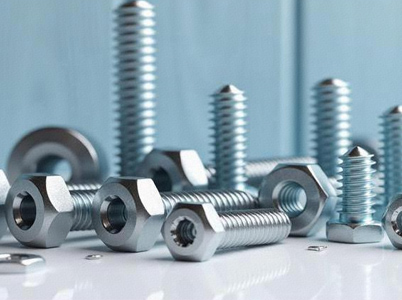
Wheel Fastening Structure: Wheel Bolt and Wheel Nut
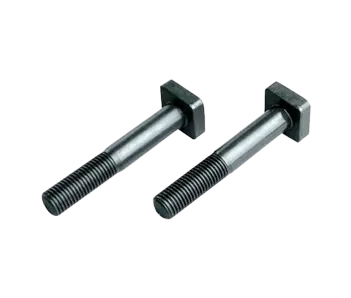
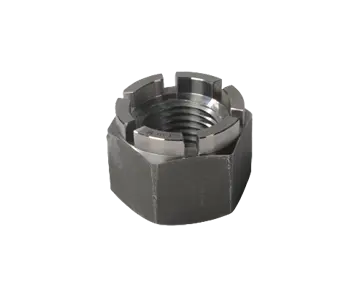
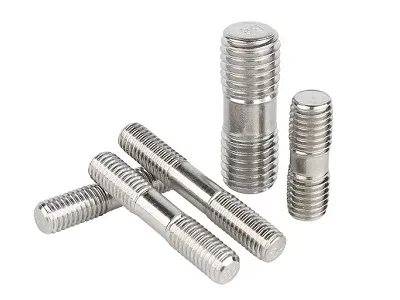
The fastening method of car wheels is designed with precision, mainly divided into two types: wheel bolt and wheel nut. The wheel bolt system is commonly found in vehicles from European brands such as Volkswagen, Audi, BMW, and Mercedes-Benz. This method involves passing the wheel bolt through the brake disc and tire, tightening it into a pre-threaded hole in the wheel hub, ensuring a secure connection. In contrast, the wheel nut system involves inserting the bolt through the brake disc and tire from the inside, with the nut tightening onto the protruding bolt. These two fastening structures have their respective advantages and applications in different vehicle models across various regions.
Dangers of Over-tightening the Wheel Bolt
Some people believe that the wheel bolt must be tightened sufficiently to withstand external loads during high-speed driving. However, over-tightening the wheel bolt can lead to a range of issues:
Irreversible Plastic Deformation: Over-tightening may cause irreversible plastic deformation, rendering the bolt unusable for multiple applications, leading to inconvenient replacements.
Fracture Failure: An overly tight wheel bolt is more likely to fail under larger external loads, compromising driving safety.
Stripped Threads: Excessive tightening can result in overloading the threads of the mating part, causing thread stripping and increasing replacement costs.
Surface Crushing: In the case of aluminum alloy wheels, over-tightening can lead to surface crushing of the mating parts.
How to Tighten the Wheel Bolt Correctly?
When tightening the wheel bolt, it is crucial to pay attention to the following parameters:
Clamping Force: For steel wheel hubs, the recommended clamping force is ≥35kN, while for aluminum wheel hubs, it should be ≥25kN.
Torque Value: The recommended torque is 120Nm, with a maximum of 140Nm, to ensure the performance remains optimal.
Yield Torque: Usually, it should exceed 180Nm-200Nm, but the process torque should remain below this value to ensure the bolt maintains its performance after repeated use within the linear range.
During maintenance, it is recommended to use a calibrated torque wrench or a digital wrench to achieve the correct tightness. The usual torque value is approximately 120Nm or as specified by the manufacturer's assembly torque requirements. For non-calibrated wrenches, it is advised to rely on an experienced mechanic to ensure the correct tightening angle and torque.
During the tightening process, pre-tighten the bolt, then gradually tighten in a diagonal pattern, simulating the tightening process used in the assembly line to ensure even force distribution.
The proper tightening of the wheel bolt is not only crucial for driving safety but also impacts the lifespan of the components. Therefore, it is essential for car owners to regularly check the tightness of the wheel bolt. During maintenance, always adhere to the manufacturer's recommended guidelines and specifications to ensure that each service is performed within safe and reasonable limits.
In conclusion, wheel bolt tightening should be done with caution. Over-tightening can lead to a variety of problems. Proper tightening practices help ensure driving safety, extend component lifespan, and offer peace of mind during our driving journey.



 中文
中文 English
 日本語
日本語 한국어
한국어 français
 Deutsch
 Español
 italiano
 русский
 português
 العربية
 Türkçe
 ไทย
ไทย