Railway infrastructure must maintain high stability and reliability to support safe train operations. As trains become faster and heavier, railway tracks face increasing pressure from heavy axle loads, continuous vibration and changing environmental conditions. A stable fastening system plays an important role in keeping rails correctly positioned and reducing long-term maintenance requirements.
Reliable rail fixtures and fastenings are essential components that connect rails with sleepers and foundations. They help control track movement, absorb vibration and maintain alignment during daily operation. For railway contractors, infrastructure companies and maintenance suppliers, selecting suitable railway fastening solutions is a key factor in improving track performance and reducing operational risks.
Why Railway Fastening Systems Are Critical for Modern Rail Infrastructure
Rail tracks are exposed to significant mechanical stress during operation. Every passing train creates dynamic forces that are transferred from the rails to sleepers and the supporting structure. Without reliable fastening components, these repeated impacts can gradually affect track geometry and safety.
Temperature changes also influence rail performance. Steel rails expand and contract under different weather conditions, creating additional stress on track structures. High-quality fastening systems help manage these movements while keeping rails securely fixed in the correct position.
Modern railway projects require fastening solutions that provide both strength and flexibility. Rail fixtures and fastenings are designed to maintain track stability while allowing controlled movement to reduce stress concentration. This balance helps extend service life and improves the overall reliability of railway networks.
For high-speed railways, urban transit systems and heavy-load railways, dependable fastening components are especially important because even small track deviations can increase maintenance requirements and affect passenger comfort.
Key Components That Make Railway Track Fasteners Reliable
A railway fastening system consists of multiple components working together to secure rails and maintain stable track conditions. Each part contributes to the overall performance of the railway structure.
Key components usually include:
Rail clips that provide holding force and maintain rail position
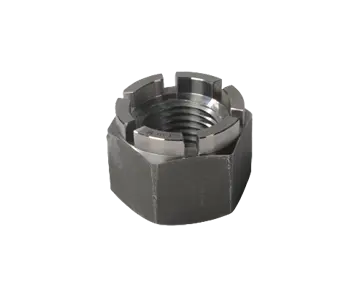
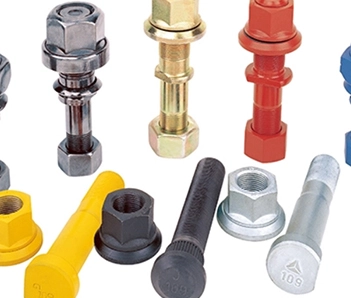
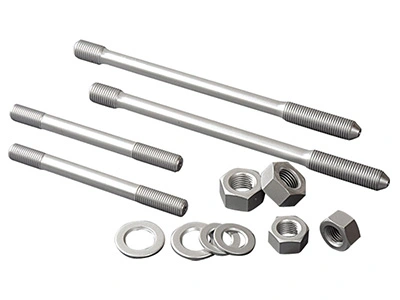
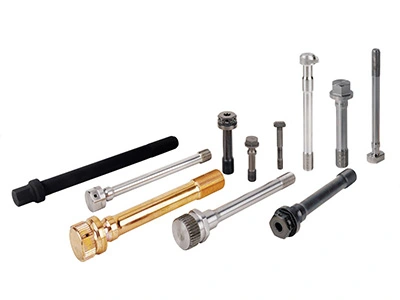
Fastening bolts that connect rail components securely
Anchoring systems that transfer loads into the track foundation
Elastic components that absorb vibration and reduce impact forces
Rail clips and elastic elements are particularly important because they allow the track system to respond to dynamic loads while maintaining stability. Unlike rigid connections, elastic fastening designs can reduce vibration transmission and improve track durability.
High-strength materials are commonly used for railway fasteners because these components must withstand repeated loading cycles. Material quality, manufacturing accuracy and surface protection all influence the service performance of railway track fasteners.
Rail Fixtures and Fastenings Compared With Traditional Track Fixing Methods
Different track fixing methods have been used throughout railway development, but modern fastening systems provide improved performance for today’s demanding rail applications.
Feature
Modern Rail Fastening System
Traditional Fixing Method
Stability
High vibration resistance
Limited
Maintenance
Lower frequency
More frequent
Service life
Longer
Shorter
Safety
Improved
Variable
Modern systems are designed to provide stronger connections between rails and supporting structures. Their improved vibration control helps reduce component wear and decreases the frequency of maintenance work.
Traditional fixing methods may have limitations when used in high-speed or heavy-load railway environments. As railway networks continue to develop, advanced fastening technologies have become increasingly important for improving safety and operational efficiency.
How to Choose Suitable Rail Fastening Solutions for Different Projects
Choosing the right fastening system requires consideration of project conditions, operating requirements and environmental factors. Different railway applications may require different designs depending on load levels, track types and installation environments.
Important factors include:
Railway Type and Load Requirements
High-speed railways, freight railways and urban transit systems experience different levels of mechanical stress. Fastening components should be selected according to axle loads, train speeds and expected operating conditions.
Environmental Conditions
Climate, moisture levels and temperature variations can influence fastening performance. Corrosion resistance and material durability are important considerations for projects exposed to challenging environments.
Material Quality and Manufacturing Standards
Reliable fastening components require accurate production processes and strict quality control. High-strength materials and precise manufacturing help ensure long-term performance.
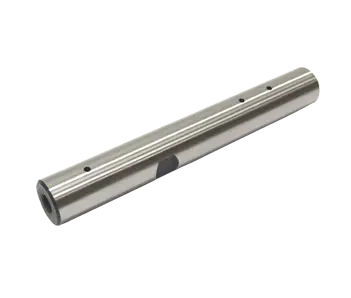
When selecting rail fastening and fixtures, railway contractors should work with experienced suppliers that understand engineering requirements and can provide solutions suitable for specific applications. Professional foundation bolts suppliers can also support railway construction projects by providing reliable anchoring components that improve foundation stability and ensure secure connections between track structures and supporting systems.
Common Problems Caused by Poor Railway Fastening Components
Low-quality or unsuitable fastening components can create various problems during railway operation. Since fasteners directly affect rail stability, failures may impact both safety and maintenance efficiency.
Loose connections are one of the most common issues caused by inadequate fastening performance. Over time, vibration and repeated loading can reduce connection strength, leading to rail movement and alignment problems.
Track deformation may also occur when fastening systems cannot provide sufficient support. This can increase maintenance requirements and create additional operating costs.
Poor fastening solutions may result in:
Increased track inspection frequency
Higher repair costs
Reduced railway system reliability
Using properly designed railway track fasteners helps prevent these issues and supports safer, more efficient railway operations.
Why Choose Jinan Zhongchuan Equipment for Railway Fasteners
Reliable railway infrastructure depends on high-quality components and experienced suppliers. Jinan Zhongchuan Equipment provides reliable railway fastening solutions with strict manufacturing processes and customized production capabilities.
With experience in high-strength fasteners and precision components, the company focuses on delivering products that meet demanding industrial requirements. Advanced production technology, quality inspection procedures and professional engineering support help ensure consistent product performance.
For railway contractors and infrastructure companies looking for dependable fastening solutions, Jinan Zhongchuan Equipment provides suitable products designed for long-term track stability and operational reliability.
FAQ About Railway Fastening Systems
What are rail fixtures and fastenings used for?
Rail fixtures and fastenings are used to secure rails in place, maintain track stability and reduce vibration and displacement during train operation.
How long do railway fastening components usually last?
Service life depends on material quality, environmental conditions, train loads and maintenance practices. Regular inspection helps maintain reliable performance.
What materials are used for railway fasteners?
Common materials include high-strength steel and corrosion-resistant alloys designed to withstand repeated mechanical stress and outdoor conditions.
Why are elastic fastening systems important?
Elastic fastening systems absorb vibration, improve passenger comfort and protect the overall railway track structure from excessive stress.
Can railway fasteners be customized?
Yes. Railway fastening components can be customized according to track type, engineering requirements and specific operating conditions.
How do suppliers ensure railway fastener quality?
Suppliers typically use material testing, dimensional inspection and performance evaluation to ensure railway fasteners meet required quality standards.



 中文
中文 English
 日本語
日本語 한국어
한국어 français
 Deutsch
 Español
 italiano
 русский
 português
 العربية
 Türkçe
 ไทย
ไทย