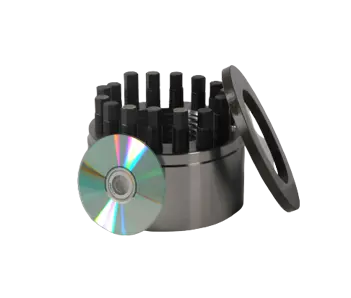
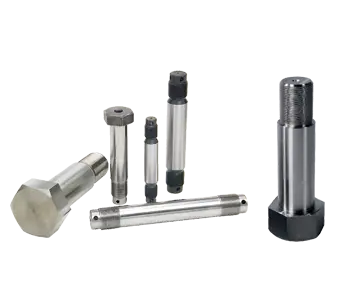
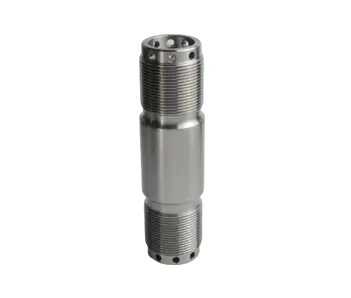
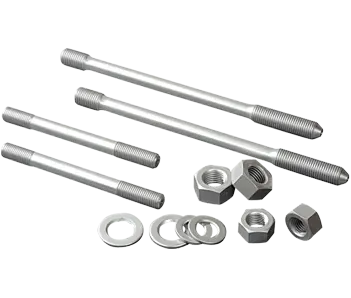
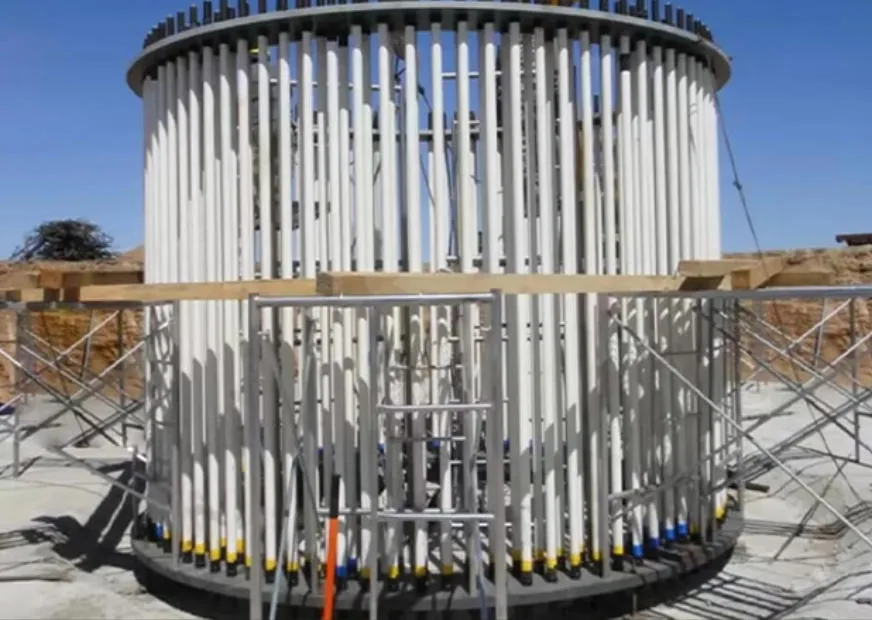
Marine diesel engines operate under some of the most demanding conditions—enduring high vibrations, extreme temperatures, and corrosive saltwater exposure. This makes the quality of marine diesel engine fasteners crucial for ensuring long-term reliability and safety. As an industry-leading manufacturer, JNZC specializes in high-performance marine diesel engine fasteners designed to meet the stringent requirements of maritime applications. Used in commercial shipping, naval vessels, and offshore platforms, these fasteners must withstand immense mechanical stresses while preventing catastrophic failures.
Trusted by global marine engine manufacturers, JNZC’s marine diesel engine fasteners are crafted from ultra-high-strength materials and undergo rigorous testing to meet international certifications such as DNV.GL, ABS, and LR. With advanced manufacturing capabilities and strict quality control, we ensure every fastener delivers peak performance in harsh marine environments.
Why Marine-Grade Fasteners Are Essential for Diesel Engines
Marine diesel engines subject fasteners to continuous stress from waves, engine vibrations, and thermal cycling. Standard industrial fasteners often fail under such conditions due to fatigue, corrosion, or loosening. In contrast, JNZC’s marine diesel engine fasteners are engineered with specialized alloys and protective coatings to combat seawater corrosion, maintaining clamping force even in extreme environments. Unlike conventional fasteners, they undergo salt spray testing (ASTM B117) and are certified for marine use, ensuring they meet the durability demands of commercial and naval fleets worldwide.
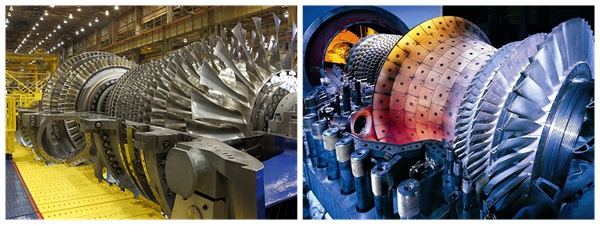
Performance Comparison
Not all high-strength fasteners are suitable for marine applications. The table below highlights the key differences between marine diesel engine fasteners and general industrial fasteners:
Feature | Marine Diesel Engine Fasteners | Standard Industrial Fasteners |
Material | High-grade stainless steel or alloy with corrosion-resistant coatings | Carbon steel, often uncoated |
Corrosion Resistance | Designed for saltwater exposure (e.g., zinc-nickel or Dacromet coatings) | Limited rust protection |
Vibration Resistance | Engineered to stay secured under extreme vibrations | More prone to loosening |
Strength & Fatigue Life | Optimized for cyclic loading (150,000+ PSI tensile strength) | Lower fatigue resistance |
Certifications | Compliant with DNV.GL, LR, ABS marine standards | No marine-specific approvals |
JNZC’s marine diesel engine fasteners exceed these requirements, making them the preferred choice for shipbuilders and engine manufacturers.
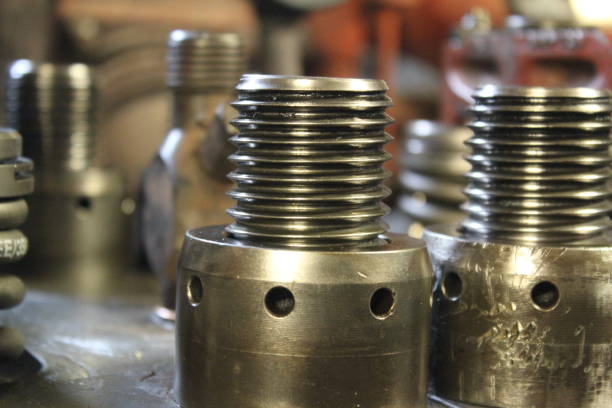
How Marine Fasteners Enhance Engine Longevity & Safety
In marine propulsion systems, fastener failure can lead to oil leaks, loss of compression, or even engine seizure. JNZC’s marine diesel engine fasteners prevent such issues through:
Superior Clamping Force Retention – High torque stability prevents loosening even after thousands of operating hours.
Thermal Cycling Resistance – Withstand temperature fluctuations without losing tension.
Seawater Corrosion Protection – Special coatings prevent rust, extending service life.
Precision Engineering – Custom thread designs ensure perfect fitment in marine engine blocks.
For maintenance crews, using high-quality marine diesel engine fasteners reduces downtime and costly repairs, providing peace of mind in critical operations.
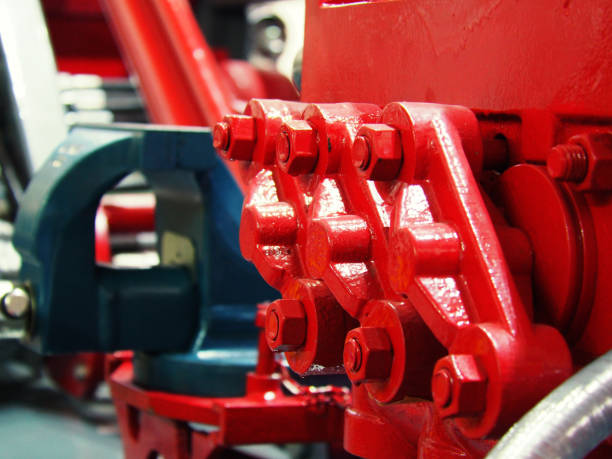
Preventing Common Marine Fastener Failures in Harsh Environments
Marine fasteners often fail due to stress corrosion cracking (SCC), galvanic corrosion, or fatigue. JNZC’s solutions address these challenges by:
Using duplex stainless steel or high-nickel alloys to resist chloride-induced SCC.
Employing insulating flash washers to prevent galvanic corrosion between dissimilar metals.
Implementing rolled threads (rather than cut threads) for improved fatigue resistance.
Applying advanced anti-fretting coatings to protect against abrasive wear.
By selecting the right fasteners from the start, ship operators can significantly reduce the risk of in-service failures.
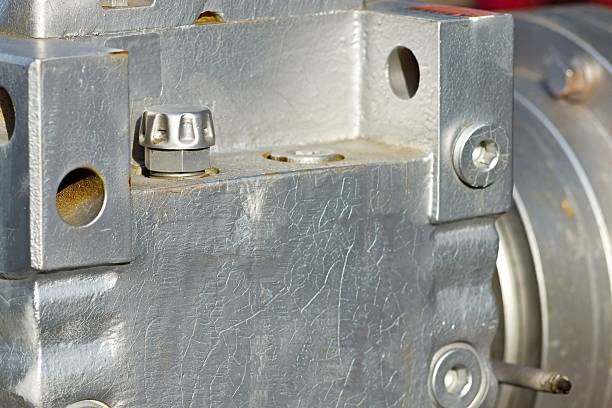
Choosing the Right Marine Diesel Engine Fasteners for Your Application
When selecting marine diesel engine fasteners, consider these key factors:
1. Material & Coating – 316 stainless steel or alloy steel with marine-grade plating.
2. Strength Requirements – Ensure bolts meet ASTM A193 or EN ISO 3506 standards.
3. Certifications – Verify DNV.GL, ABS, or Lloyd’s Register approvals.
4. Customization Needs – Work with manufacturers like JNZC for engine-specific designs.
5. Supplier Expertise – Partner with fastener specialists who understand marine engineering challenges.
JNZC meets all these criteria, supplying marine diesel engine fasteners to leading shipyards and engine builders globally.
From cargo vessels to naval destroyers, marine diesel engine fasteners play a silent but vital role in maritime safety. JNZC’s commitment to advanced materials, precision manufacturing, and marine-specific certifications ensures our fasteners deliver unmatched reliability in the world’s toughest environments.


 中文
中文 English
 日本語
日本語 한국어
한국어 français
 Deutsch
 Español
 italiano
 русский
 português
 العربية
 Türkçe
 ไทย
ไทย