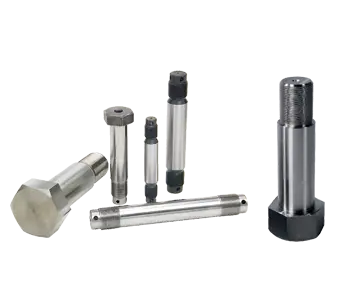
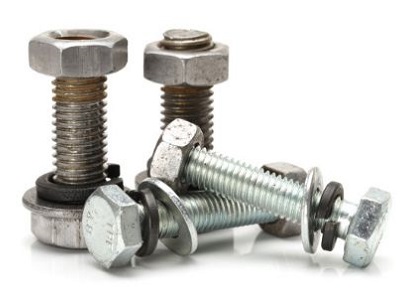
In high-performance engines, connecting rod bolts are small yet vital components that ensure reliable power delivery and longevity. These precision-engineered fasteners secure the connecting rod to the crankshaft, enduring tremendous cyclic loads and vibrations. JNZC, a trusted name in automotive components, provides high-quality connecting rod bolts designed for durability and performance.
The Function of Connecting Rod Bolts in Engine Assembly
Connecting rod bolts serve as the critical link between the connecting rod and the crankshaft, maintaining structural integrity under extreme combustion pressures. When an engine operates, each combustion cycle generates immense force, requiring these bolts to remain securely fastened at all times. A failure in a connecting rod bolt can lead to catastrophic engine damage, making material quality and design precision essential factors.
JNZC’s connecting rod bolts undergo rigorous testing to ensure they meet the highest strength and fatigue resistance standards, making them suitable for performance engines, industrial machinery, and automotive applications.
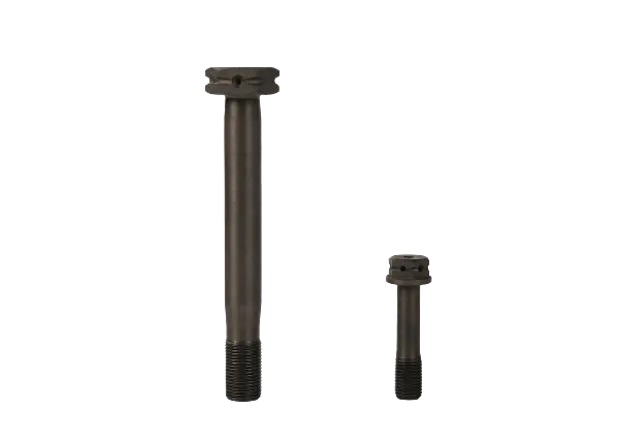
Standard vs. Performance Connecting Rod Bolts
The choice between standard and high-performance connecting rod bolts depends on engine demands. Here’s how they compare:
Factor | Standard Connecting Rod Bolts | Performance Connecting Rod Bolts |
Material | Medium-grade alloy steels | High-grade alloy steel & specialty alloys |
Tensile Strength | Moderate strength (~150,000 PSI) | Ultra-high strength (200,000+ PSI) |
Fatigue Resistance | Designed for stock applications | Built for high-RPM and forced-induction engines |
Precision Machining | Standard tolerances | Tight manufacturing tolerances for reliability |
Common Applications | OEM engine replacements | Racing, heavy-duty diesel, and high-performance builds |
JNZC offers both standard and performance-grade connecting rod bolts, ensuring the right fit for various applications.
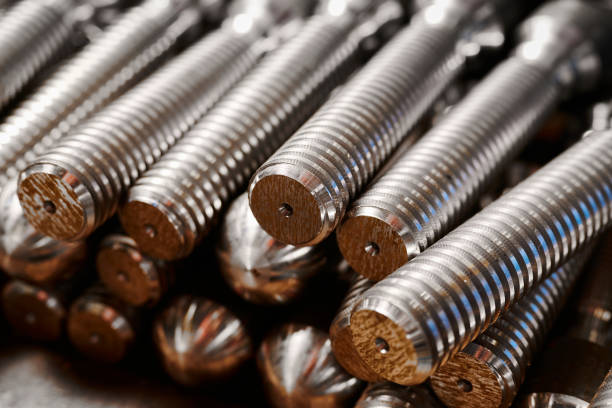
Common Applications of Connecting Rod Bolts
Connecting rod bolts are crucial in multiple industries, particularly in:
Automotive Engines – From passenger cars to race engines, these bolts ensure crankshaft stability under power.
Heavy-Duty Diesel Engines – High-torque diesel engines rely on reinforced connecting rod bolts to prevent shear failure.
Industrial Machinery – Power generators, compressors, and large equipment require durable fasteners to withstand continuous operation.
Aerospace & Marine Engines – Extreme conditions demand corrosion-resistant, high-strength bolts for safety.
JNZC’s connecting rod bolts are engineered to meet the demands of these applications with strict quality control.
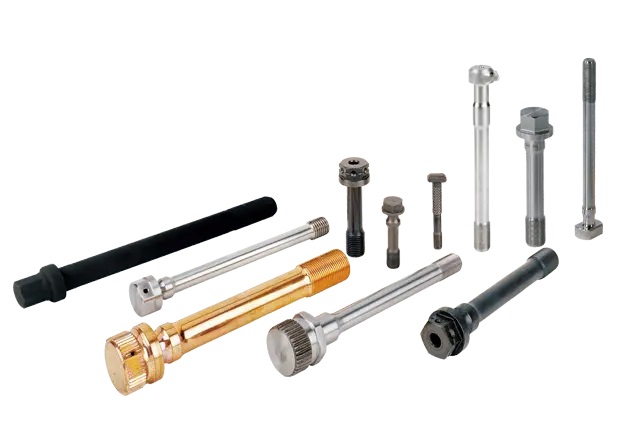
Best Practices for Installing and Maintaining Connecting Rod Bolts
Proper installation and maintenance are critical to preventing bolt failure. Follow these guidelines:
Torque Specifications – Always use a calibrated torque wrench to achieve proper clamping force without overstretching.
Lubrication – Applying the right lubricant ensures even bolt tension and prevents seizing.
Avoid Reuse in Critical Engines – Due to metal fatigue, high-performance engines require new bolts for rebuilds.
Inspect for Wear – Signs of elongation or thread deformation indicate replacement is needed.
JNZC’s technical support ensures customers receive proper guidance for installation and maintenance.
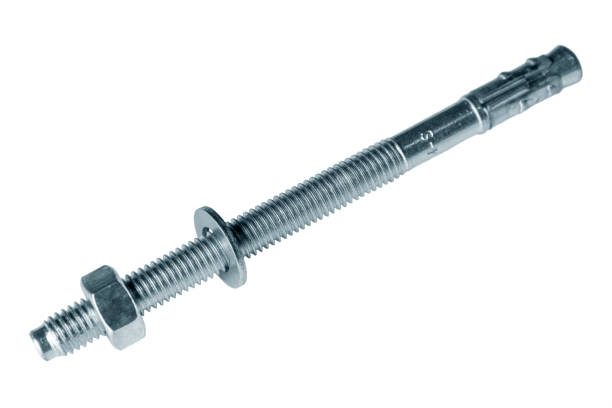
How to Choose the Right Connecting Rod Bolts for Your Engine
Selecting the appropriate connecting rod bolts depends on:
1. Engine Type & Power Output – Turbocharged and high-RPM engines need stronger bolts than stock applications.
2. Material & Coating – High-grade alloy bolts with protective coatings enhance durability.
3. Manufacturer Specifications – OEM-equivalent or upgraded bolts should match engine requirements.
4. Reliability Standards – Look for bolts tested for tensile strength and fatigue resistance.
JNZC provides a range of connecting rod bolts designed for reliability in both stock and high-performance settings.
Whether for daily drivers, industrial engines, or performance builds, connecting rod bolts are fundamental to engine safety and efficiency. JNZC’s commitment to precision engineering and quality materials ensures long-lasting performance across all applications.


 中文
中文 English
 日本語
日本語 한국어
한국어 français
 Deutsch
 Español
 italiano
 русский
 português
 العربية
 Türkçe
 ไทย
ไทย